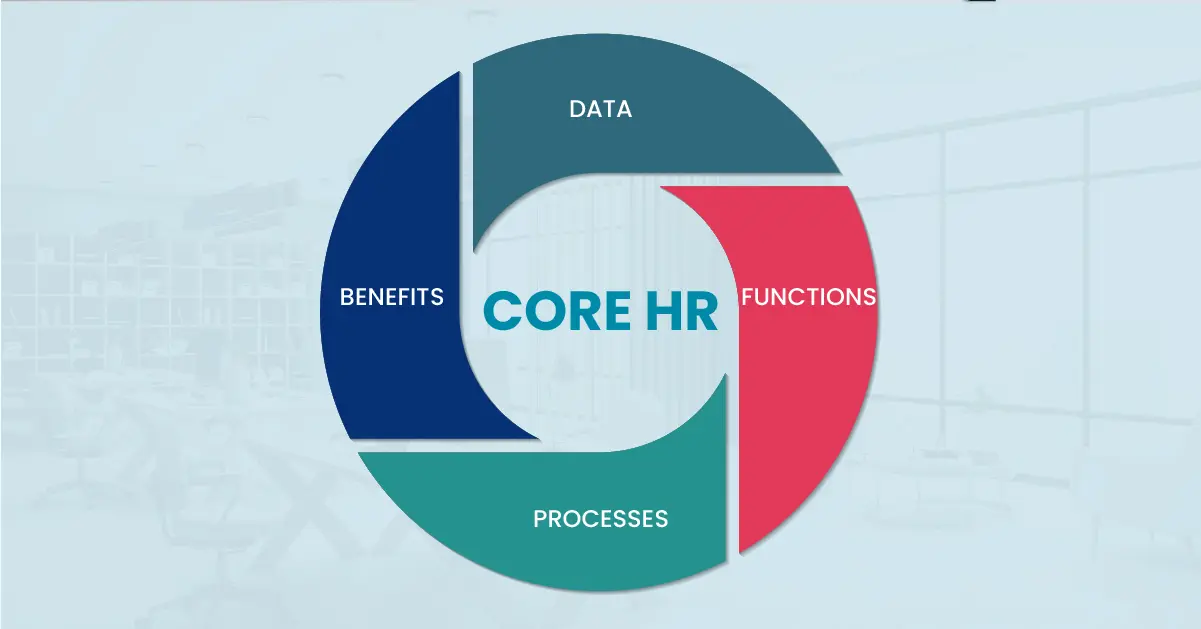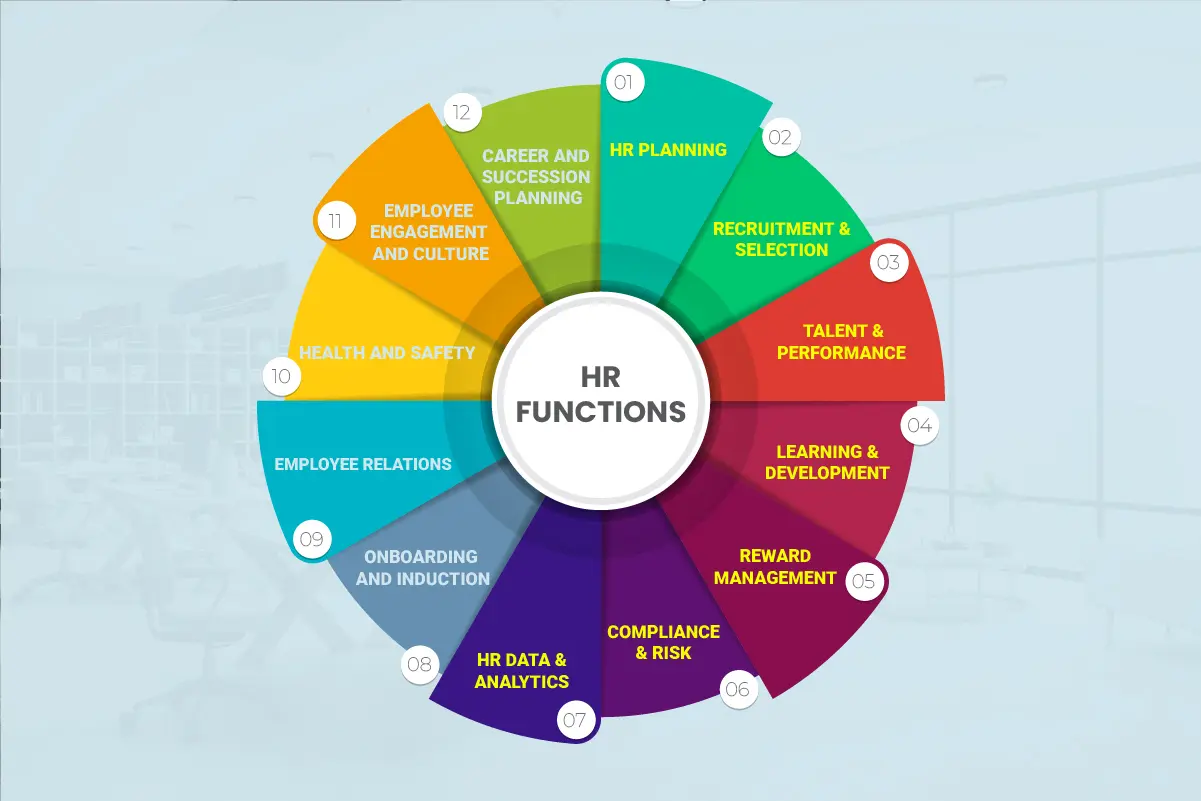
HR Functions are the essential activities that human resources teams perform to manage employees and support organizational goals. These functions cover the entire employee journey, from planning workforce needs to managing retirement and everything in between. Business owners, new managers, and HR professionals often need a clear overview of what HR does and how each area contributes to company success. This page explains the 15 core HR functions, from HR planning and recruitment to payroll and well-being, giving you a complete and practical understanding of each area.
1. HR planning
Human Resource Planning is the strategic, continuous, and data-driven process that aligns an organization’s workforce with its long-term business objectives. This workforce planning function analyzes current workforce capabilities against future needs to identify skill gaps that require action. Companies use sophisticated modeling techniques to forecast talent needs across different business scenarios. This helps them plan hiring needs and training needs before problems arise.
HR planning also improves organizational design by creating structures, teams, and workflows that maximize effectiveness. When companies build responsive organizational structures with clear roles, they develop change management capabilities. These capabilities allow rapid adaptation to market changes.
2. Recruitment and selection
Recruitment and selection is the process of finding and hiring the right people for a job. Companies start by looking at the market to plan how they will find workers. HR writes job descriptions that explain what skills and experience a person needs. To find candidates, they use different methods like job posts, social media, and asking current workers for referrals. These steps help build a list of good people to choose from in the market.
Human resources management reviews all applications and calls the best candidates for interviews.The interviewer checks if the person has the right skills and will fit well with the team. Companies also think about how they treat candidates during this process because it shows what the company is like. All this must happen while staying within the money set aside for salaries. The goal is to pick the best person for the job.
3. Onboarding and induction
Onboarding and induction is the process that helps new employees adjust to their jobs and become part of the organization. HR personnel guide new hires through this employee onboarding process to teach them the skills, knowledge, and behaviours they need for success. The goal is organisation socialisation, where new workers understand company culture and build relationships.
HR staff helps new employees become effective members of their team faster. It includes introducing them to coworkers, explaining company rules, and showing them how things work. When companies do hiring and onboarding well, new staff feel welcome and stay longer.
4. Talent and Performance Management
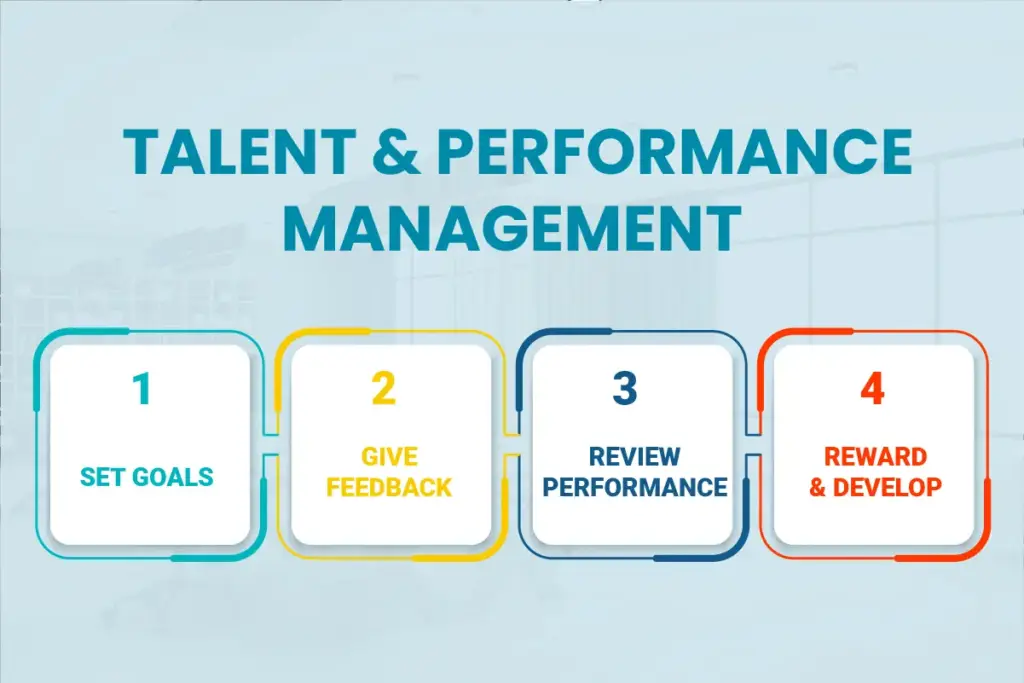
Talent and Performance Management is the ongoing system that helps organizations track employee progress, develop skills, and retain top workers. Companies use performance management to monitor progress through continuous feedback and frequent check-ins rather than waiting for annual performance reviews. Managers conduct quarterly or annual appraisals to evaluate work, but effective systems focus on clear goal-setting that connects daily tasks to larger organizational objectives.
HR works with employees to create personal development plans that guide growth throughout the performance management cycle.These plans help managers make effective talent decisions about promotions, training, or role changes. Organizations also focus on talent retention by understanding why people stay or leave. When employees resign, HR conducts exit interviews to learn about problems. Productivity drops when companies lose skilled workers. Good performance management also includes market research to ensure pay and benefits remain competitive. The whole system creates a cycle where feedback, development, and recognition work together to keep employees engaged and performing well.
5.Learning and development
Learning and development (L &D) is the structured approach organizations use to help employees gain new skills and grow in their careers. Companies create training and development programs that combine formal training with experiential learning to build technical skills and professional capabilities. HR designs professionals learning strategies that include job-specific training for current roles and development programs for long-term career growth.
Employees attend training sessions to learn about emerging technology, industry, and marketing trends. Organizations use digital platforms to deliver adaptable learning that workers can access anytime. This system focuses on helping upskill leaders and managers so they can guide teams effectively. Companies invest in professional education that allows employees to upskill or reskill as their jobs evolve.
Learning and development programs connect training to business goals and measure whether employees apply new knowledge. When organizations support continuous learning, workers feel valued and stay longer. The best programs mix classroom teaching, hands-on projects, online courses, and mentoring.
6.Reward management
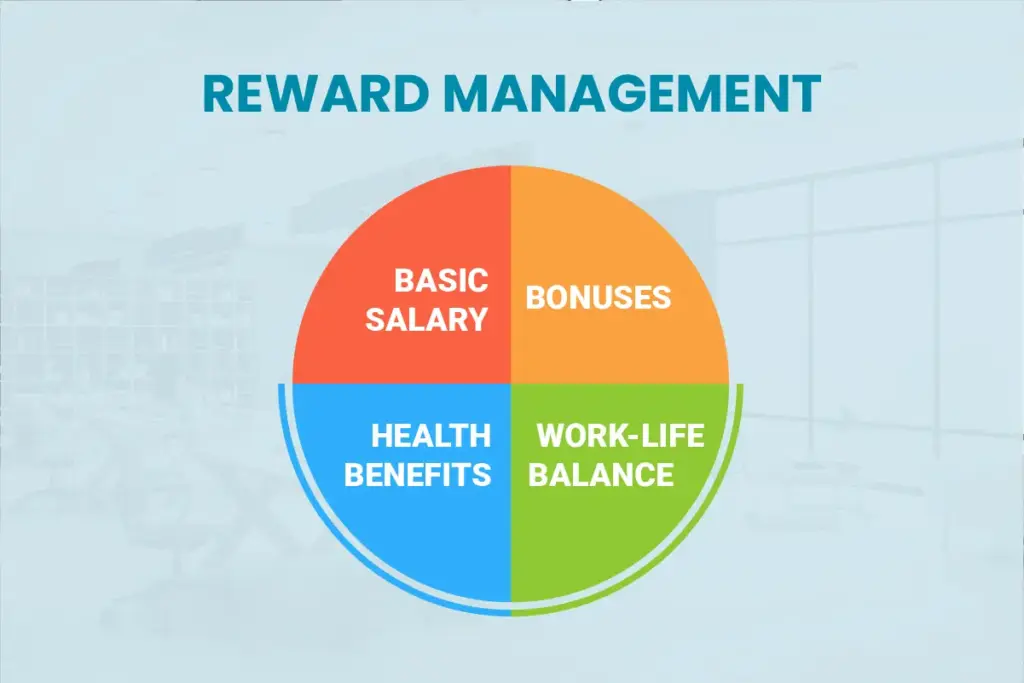
Reward management is the process organizations use to create and manage pay, benefits, and incentives for employees. Companies develop a reward framework that covers everything workers receive in exchange for their work. This includes financial incentives like base salary and performance-based pay. It also includes variable pay such as bonuses and commissions when employees meet targets.
Organizations offer secondary benefits like health insurance, retirement plans, and paid time off. Many companies focus on work-life balance as part of their rewards. These elements form the Employee Value Proposition (EVP).
Human resource management designs total rewards strategies that balance relational and psychological outcomes with financial costs. They work within the annual pay bill and set a budget while keeping rewards competitive. Companies follow mandatory rates set by law, such as minimum wage.
Modern reward management includes personalization options that let employees customize packages based on individual preferences. A younger worker might want more cash. Someone with a family may prefer better health benefits. Workers at different life stages value different things.
Compensation and benefits impact how people feel about their jobs. When rewards are fair, employees stay longer and work harder. Companies use market data to check if their pay matches others. They review rewards regularly to ensure fairness and affordability. Good reward management attracts good people, keeps them happy, and treats everyone fairly.
7. Employee Relations
Employee Relations is the function that manages the workplace relationship between employers and employees. Organizations focus on building trust and commitment through open communication and transparency. HR professionals handle disciplinary procedures fairly when problems occur. They work to resolve potential conflicts before they grow larger. During difficult economic times, strong employee relations become even more important. Some organizations work with labor unions through formal industrial relations processes.
Employee participation programs give workers a voice in decisions. People advocacy means HR represents employee interests while meeting business needs. The goal is creating productive relationships where people feel heard and treated fairly. When employee relations are strong, workers trust management and commit to organizational success.
8.Compliance and risk management
Compliance and risk management is the human resources function that ensures organizations follow employment law and meet all legal requirements. HR professionals develop policies that promote ethical workplace practices and protect the company from people-related risks. They focus on identifying and mitigating problems before they cause harm. Regular compliance audits check whether internal policies and procedures match current laws. Companies must address issues like insufficient record retention, which can create legal problems. Data privacy and security are major concerns today, so organizations provide cybersecurity training to employees. All these efforts reflect organizational values and show commitment to doing business correctly.
Risk management means spotting potential issues and taking action to prevent them. HR monitors emerging regulatory changes to keep policies updated. When companies manage compliance well. They avoid fines, lawsuits, and damage to their reputation.
9.HR data and analytics
HR Data and Analytics is the function that collects and studies workforce data to support better decision-making. Organizations use people’s insights to understand what is happening with their employees. Workforce analytics helps HR teams find patterns in attendance, performance, and turnover.
Predictive HR analytics uses past data to forecast future risks, like which employees might leave. Companies can spot retention risks early and take action to keep good workers. Analytics also shows what keeps employees engaged and motivated. HR can take action early with this information to fix problems before they grow.
Leaders connect people’s data to business outcomes like sales and customer satisfaction. This helps shape talent strategies for hiring, training, and keeping good workers. When organizations base choices on data, they make smarter decisions about their people.
10. Health and safety
Health and safety is the HR function that protects employees from workplace injuries and illnesses. Organizations follow health and safety regulations to create a safe workplace for everyone. Companies set clear safety and health protocols that tell workers how to do their jobs without getting hurt.
Many organizations adopt Goal Zero, which means they aim for zero accidents in the workplace. This goal becomes part of company culture where every employee watches out for themselves and others. Safety stops being just a rule and becomes a shared value.
Job candidates pay attention to safety records when choosing where to work. People want jobs where employers care about their wellbeing. When companies follow strong safety practices, they attract better workers and keep them longer. Good health and safety programs also reduce costs from injuries and lost work time.
11.Employee engagement and culture
Employee engagement and culture is the human resource management function that creates a positive work environment where employees feel connected, valued, and motivated to contribute. Organizations build a vibrant company culture through cultural stewardship, which means leaders and employees work together. They protect values by articulating core principles that guide daily decisions and behaviors. Companies use feedback mechanisms like surveys to measure cultural health and understand how employees feel while preserving essential cultural elements and adapting to changing business conditions.
Employee experience management focuses on every touchpoint throughout the employee lifecycle from recruitment through retirement. Examining critical moments like hiring, training, and promotions to design interventions that improve engagement and satisfaction at each stage. Organizations develop employee experience strategies that address diverse workforce requirements. This psychological safety is a key element where people feel safe to speak up and share ideas without fear.
Diversity, Equity, Inclusion, and Belonging (DEIB) supports this work through inclusive hiring practices that bring in people from different backgrounds and equitable advancement pathways that give everyone fair chances to grow. Companies measure representation across organizational levels considering both visible dimensions of diversity like race and gender and invisible dimensions like background and thinking styles. When organizations get this right, engagement and culture become strategic imperatives that drive innovation and business performance because people work harder, stay longer, and contribute more when they feel they belong.
12.Career and succession planning
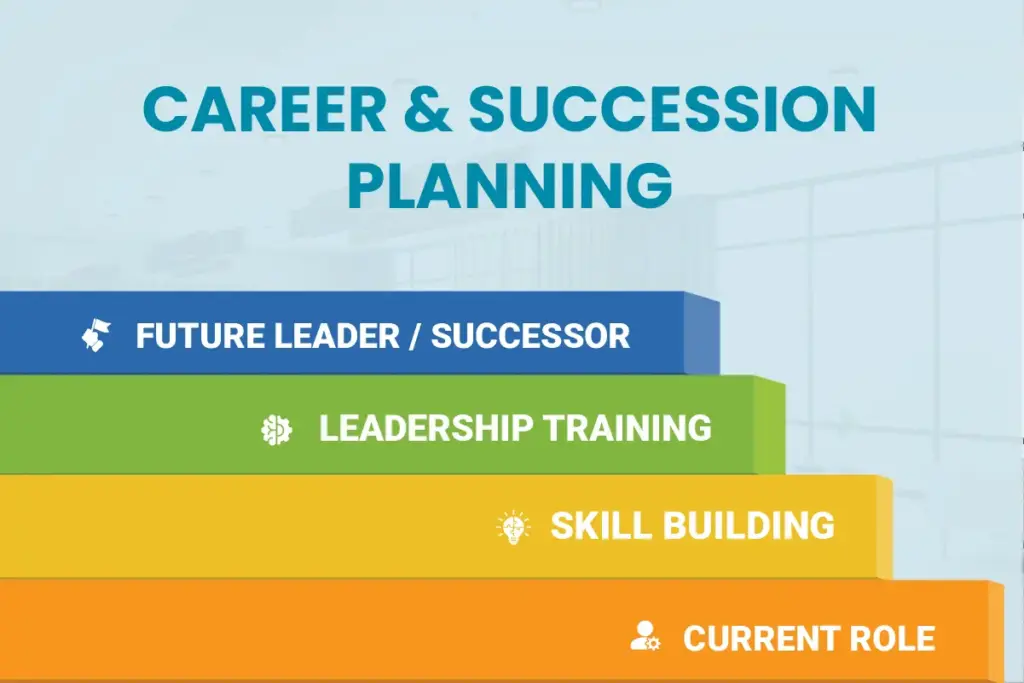
Career and succession planning is the process that helps employees grow within an organization while ensuring the company has capable leaders ready for future roles. Career planning focuses on helping workers understand their career goals. Employees map out possible career trajectories that match their skills and interests. Workers and managers work together to identify their capability to advance. They create development pathways that build needed skills.
Succession planning processes help organizations identify people for key positions before they become empty. Companies source talent internally by looking at current workers first when leadership roles open up. Internal hiring saves time and money. Promoting existing employees rewards people for their hard work. Workers stay longer when they see clear growth and career opportunities ahead of them.
Leadership Development is a key part of this work. Organizations spot workers with leadership potential early. They give these workers training that builds leadership capability. Future leaders learn to handle complex business conditions. They stay ready for when their turn comes. Companies that plan well never face sudden gaps. They always have someone prepared to step up. Good succession planning keeps the business running smoothly through all changes.
13.Payroll Administration
Payroll Administration is the process that calculates and delivers employee pay accurately and on time. Organizations handle paying salaries according to a set pay schedule, whether weekly, bi-weekly, or monthly. The payroll team processes paychecks by calculating regular wages and overtime.
Payroll administration involves calculating taxes from each paycheck. These are federal, state, and local deductions. The team also prorates working hours and holidays when employees start mid-month or take unpaid time off. They track vacation days and sick leave to ensure correct payment. All these calculations must follow government rules and tax laws. When payroll runs smoothly, employees receive the right amount at the right time and the company avoids legal problems.
14.Employee well-being
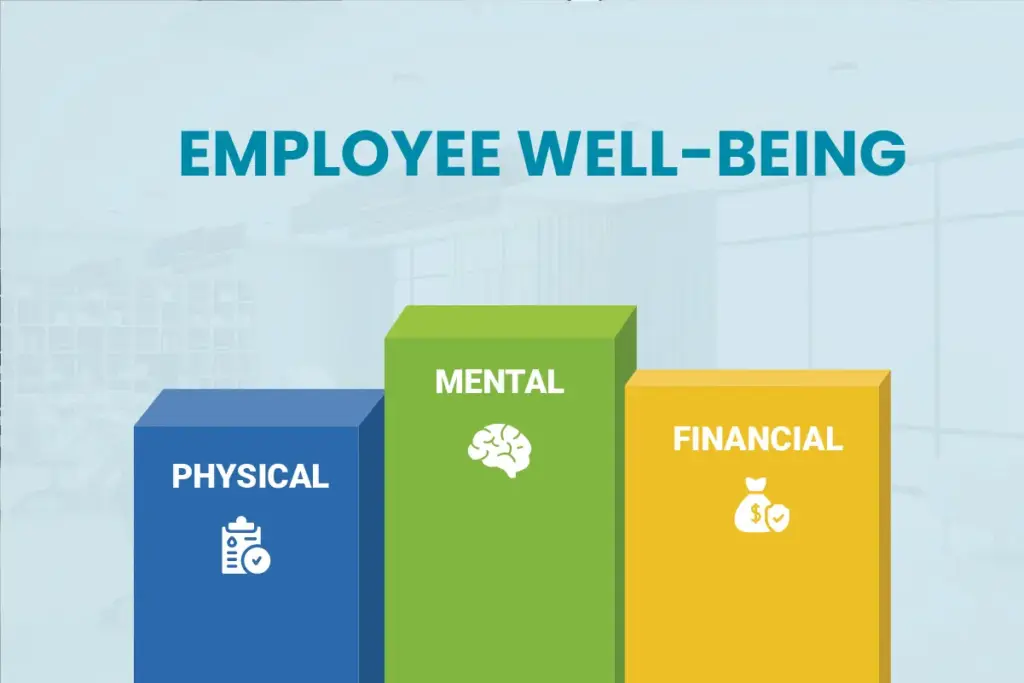
Employee well-being is the HR function that supports workers’ physical, mental, and financial health to help them thrive at work and in life. Organizations offer physical health initiatives like gym memberships, health screenings, and ergonomic workspaces. They provide mental health resources such as counseling services and employee assistance programs. Many companies hold mental health awareness days to reduce stigma and encourage workers to seek help when needed.
Financial wellness programs help employees manage their money and plan for their financial future.These programs cover budgeting, debt management, and retirement planning. Work-life integration support helps workers balance job duties with family responsibilities and personal time.
Personal wellbeing and resilience matter because healthy employees perform better. Workers with strong wellbeing show higher employee performance, engagement, and productivity. When organizations invest in wellbeing, they see improvements in organizational performance through lower absenteeism and higher morale. Employees learn personal resilience skills that help them handle stress and recover from challenges. Good well-being programs benefit both workers and the company.
15.Administrative responsibilities
Administrative responsibilities are the daily tasks that keep HR operations running smoothly. Organizations create personnel procedures that guide how employees work and what they expect from the company. HR teams maintain policies and procedures that everyone must follow. They track performance improvement plans when workers need help meeting expectations.
Human Resource Information Systems (HRIS) help organizations store and manage employee data securely. This work requires careful data input because small mistakes can cause problems with pay or benefits. HR teams handle filing, legal paperwork, and information gathering to keep records complete and organized. They focus on developing systems that make these tasks faster and more accurate.
Digital HR and workplace technology now plays a bigger role in administrative work. Organizations use technology to enhance efficiency and reduce manual work. Even with more digital tools, human connection points remain important. Employees still need someone to answer questions and explain how things work. Good administration means getting the details right while treating people with care.
What are the benefits of human resources?
There are 6 key benefits of human resources that drive business success, such as improved employee productivity and talent retention.
Human Resources benefits reach every part of an organization by managing people effectively. HR functions work together to create systems that attract, develop, and keep good workers while protecting the company from legal problems.
The 6 benefits of Human Resources are given below:
- Improved Employee Productivity: HR designs training and incentive programs that boost employee performance. Workers gain skills through continuous learning and stay motivated through recognition and rewards.
- Talent Acquisition and Retention: HR builds strong employer branding and efficient recruitment processes to attract qualified candidates. The organization keeps good workers through engagement initiatives and growth opportunities.
- Legal Compliance and Risk Management: HR ensures the company follows all employment laws through proper documentation management. This protects the organization from lawsuits and reduces people-related risks.
- Strategic Planning: HR aligns workforce capabilities with long-term business goals through workforce planning. The organization prepares for future needs by identifying skill gaps and developing talent.
- Enhanced Culture and Communication: HR creates programs that build positive workplace relationships and open communication. Employees feel valued and connected through engagement activities and feedback systems.
- Cost Management: HR controls labor costs through effective compensation planning and budget management. The organization saves money by reducing turnover and avoiding legal penalties.
Can HR improve employee productivity?
Yes, HR can significantly improve employee productivity through multiple approaches. HR implements talent management systems that place the right people in roles matching their skills. They optimize workplace processes and work arrangements to remove obstacles and improve efficiency. They also focus on fostering engagement by creating conditions where employees feel motivated and committed to their work.
Does HR support employee engagement?
Yes, HR supports employee engagement through multiple strategies that create positive work environments. HR designs engagement strategies that help workers feel connected to their organization and its goals. They use performance management systems to provide regular feedback and recognition throughout the employee lifecycle. They also ensure employees feel valued from hiring through retirement by addressing their needs at every stage.
Does HR help in workforce planning?
Yes, Human Resources (HR) helps in workforce planning to ensure organizations have the right people in the right roles. The process begins with analyzing business goals and market conditions for forecasting hiring needs across different time periods. Current employee skills are assessed against future requirements for identifying skill gaps that need attention. Department leaders work alongside HR on managing talent through development programs and succession plans.
Do HR Functions align with business strategy?
Yes, the HR function must align with business strategy to drive organizational success. HR connects hiring plans directly to company growth targets and expansion goals. The function guides development programs that build skills needed for future business directions. Compensation structures are designed to reward behaviors that support strategic priorities. These measurable HR initiatives create a workforce that executes strategy effectively, ultimately boosting productivity and business results.